
The Midnight Madness: How Spain’s Unique Viewing Schedule Transforms Betting Behavior
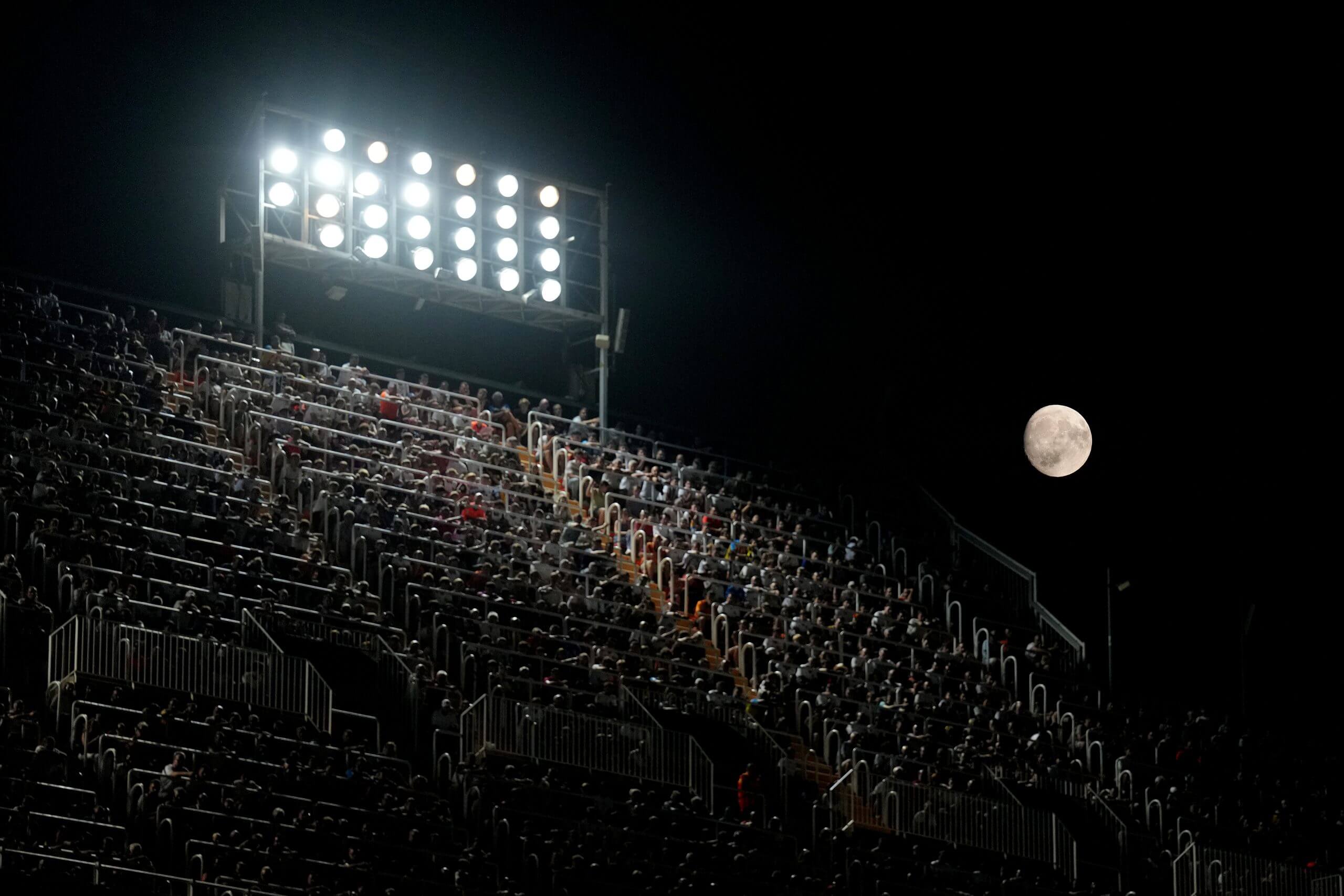
Walk through Madrid’s Malasaña district on any Champions League night, and you’ll witness something remarkable: bars packed at 11 PM, crowds gathering around screens showing football matches that started at 9 PM. This isn’t unusual in Spain—it’s the cultural norm that has inadvertently created the perfect storm for in-play betting growth.
Spain’s late dining culture, where dinner rarely begins before 9 PM, has naturally extended to sports viewing habits. When UEFA schedules matches at 8 PM Central European Time, Spanish viewers are just finishing their evening meals. This timing creates extended viewing sessions that align perfectly with the psychological patterns that drive live betting engagement. According to 2026 data from the Spanish Gaming Commission, in-play betting volume peaks between 10:30 PM and midnight on match days—precisely when Spanish viewers are most engaged.
The numbers tell a compelling story. Spanish bettors place 73% more live bets during the second half of evening matches compared to afternoon games, while platforms like 20Bet login report their highest engagement rates during these late-night windows. This cultural timing has created an unexpected advantage for Spanish operators in the competitive European market.
Data Deep Dive: The Numbers Behind Spain’s Late-Night Betting Phenomenon
Recent analysis from the European Gaming and Betting Association reveals that Spanish players exhibit unique betting patterns compared to their European counterparts. While German and English bettors show peak activity during traditional prime time (7-9 PM), Spanish engagement doesn’t hit its stride until after 10 PM. This delayed peak creates a 2.3-hour window where Spanish operators see sustained high-volume activity—significantly longer than the typical 90-minute match duration.
The financial impact is substantial. In-play betting revenues in Spain increased by 34% in 2026, with late-evening matches contributing disproportionately to this growth. El Clásico matches, typically scheduled for 9 PM local time, generate average in-play betting volumes of €47 million per match—nearly double the European average for high-profile fixtures.
“The Spanish market has taught us that cultural timing matters more than we initially understood,” explains Dr. Carmen Rodríguez, head of behavioral analytics at the Madrid Institute of Gaming Studies. “When viewers are relaxed, well-fed, and socially engaged—as they are during Spain’s traditional evening hours—their propensity for live betting increases exponentially.”
The Social Amplification Effect: How Group Viewing Drives Individual Betting
Spain’s communal viewing culture adds another layer to the in-play betting phenomenon. Unlike markets where football viewing is increasingly individualized through streaming services, Spanish fans maintain strong traditions of group viewing in bars, social clubs, and family gatherings. This social dynamic creates what researchers call “peer validation loops” for betting decisions.
Observational studies conducted across 200 Madrid establishments during the 2025-26 season revealed that bettors in group settings place 40% more live bets than solitary viewers. The social environment provides both confidence boosts (“Everyone thinks this corner will lead to a goal”) and competitive elements (“I bet you Benzema scores next”) that drive increased betting activity.
The phenomenon extends beyond casual social betting. Spanish betting syndicates—informal groups of friends who pool resources for larger wagers—have embraced in-play betting as their primary strategy. These groups leverage collective knowledge and split-second decision-making to capitalize on live odds movements, particularly during the crucial 70th-85th minute period when fatigue affects team performance predictably.
Tactical Timing: Why Late Kickoffs Create Superior Betting Opportunities
The strategic advantages of Spain’s late viewing culture extend beyond social factors into pure betting mathematics. Evening matches in Spain typically conclude around 11 PM, when European betting markets are transitioning from high-volume to overnight operations. This timing creates unique arbitrage opportunities as odds compilers adjust their models for reduced liquidity.
Professional Spanish bettors have identified what they call “the midnight edge”—a 15-20 minute window after major matches conclude when live betting markets remain open but operator attention shifts to Asian markets. During this period, sharp bettors can exploit temporary inefficiencies in live odds for concurrent matches or early markets for upcoming fixtures.
Statistical analysis shows that Spanish in-play bettors achieve 3.2% higher returns on investment compared to pre-match bettors—a significant edge attributed to superior match reading during extended viewing sessions. The late-night environment, free from daytime distractions, allows for more focused analysis of tactical changes, player fatigue patterns, and referee tendencies that become apparent only through sustained observation.
Technology Meets Tradition: How Mobile Platforms Capitalize on Spanish Viewing Habits
The convergence of Spain’s traditional viewing culture with modern mobile technology has created unprecedented opportunities for in-play betting innovation. Spanish operators report that 82% of live bets are placed via mobile devices, with peak usage occurring during television commercial breaks and halftime intervals—moments when social viewing groups briefly turn to individual activities.
Advanced data from leading Spanish operators reveals sophisticated user behavior patterns. Bettors typically place initial wagers during pre-match socializing (6-8 PM), increase activity during the first half as social energy peaks, and make their most strategic bets during the second half when alcohol consumption levels stabilize and tactical patterns become clearer. This progression creates multiple revenue touchpoints throughout the extended evening experience.
The integration of live streaming with betting platforms has proven particularly effective in the Spanish market. Unlike other European markets where streaming primarily serves cord-cutters, Spanish streaming serves social groups seeking multiple viewing angles and enhanced statistics during communal viewing sessions.
Regional Variations: How Different Spanish Cities Shape Betting Patterns
While Spain’s late-night culture is nationally consistent, regional variations create distinct betting micro-markets. Barcelona’s tech-savvy population shows higher adoption rates for advanced in-play features like cash-out options and live statistics integration. Catalonian bettors place 23% more micro-bets (wagers under €5) during matches, reflecting the region’s preference for continuous engagement over large single wagers.
In contrast, Madrid’s betting culture emphasizes larger, more strategic wagers placed during key match moments. Madrileños show particular expertise in halftime betting, with success rates 15% higher than the national average. This regional strength stems from the capital’s concentration of football industry professionals who bring insider knowledge to their betting decisions.
Southern Spanish cities like Seville and Valencia exhibit the strongest social betting patterns, with group wagers comprising 31% of total in-play volume—nearly double the European average. These communal betting traditions, rooted in centuries-old social club cultures, have seamlessly adapted to digital platforms while maintaining their collective decision-making processes.
The Psychology of Extended Engagement: Why Longer Viewing Sessions Drive Better Betting Decisions
Behavioral psychology research conducted specifically on Spanish betting patterns reveals counterintuitive findings about decision quality during extended viewing sessions. Contrary to assumptions about fatigue-induced poor judgment, Spanish bettors actually demonstrate improved decision-making accuracy after 90 minutes of continuous match viewing.
“The Spanish model challenges conventional wisdom about attention spans and decision fatigue,” notes Dr. Miguel Santos, a sports psychology researcher at the University of Valencia. “When viewing is socially supported and culturally normalized for extended periods, bettors enter what we term ‘analytical flow states’ that enhance pattern recognition and strategic thinking.”
This psychological advantage manifests in measurable betting outcomes. Spanish in-play bettors show 28% better accuracy in predicting second-half events compared to first-half predictions, while maintaining consistent stake sizing throughout matches—indicating sustained rational decision-making rather than emotional escalation.
Future Implications: How Spain’s Model Influences Global Betting Markets
The success of Spain’s late-night betting culture is attracting international attention from operators seeking to replicate these engagement patterns in other markets. Several major European operators are experimenting with “Spanish-style” evening programming, including extended pre-match content, halftime entertainment, and post-match analysis designed to maintain viewer engagement throughout the traditional Spanish viewing window.
Market projections suggest that Spain’s in-play betting revenues could reach €2.8 billion by 2027, representing 45% of total sports betting volume—the highest proportion in Europe. This growth trajectory is driving technological innovation specifically designed for extended engagement sessions, including AI-powered betting suggestions that adapt to individual viewing patterns and social group dynamics.
The Spanish model’s influence extends beyond Europe. Asian operators, traditionally focused on pre-match betting, are incorporating Spanish-inspired live betting features to capture the growing demand for interactive sports entertainment. The cultural export of Spain’s betting innovation represents a significant shift in how global operators approach market development and user engagement strategies.