
The Mathematics Behind Casino VIP Hierarchies
Every time you place a bet at a casino table, sophisticated algorithms are calculating your theoretical loss—a mathematical prediction of how much the house expects to win from your play over time. This figure, invisible to most players, forms the backbone of every major casino’s VIP program structure. Understanding theoretical loss isn’t just academic curiosity; it’s the key to unlocking better comps, higher betting limits, and premium perks that can dramatically enhance your gambling experience.
Theoretical loss calculations combine three critical variables: your average bet size, the number of hands or spins you play per hour, and the house edge of your preferred games. For instance, a blackjack player wagering $100 per hand at 60 hands per hour faces a theoretical loss of approximately $30 per hour, assuming basic strategy play against a 0.5% house edge. Casinos track these metrics religiously, with some properties updating player profiles every 15 minutes during active play sessions.
The sophistication of modern player tracking systems means your theoretical loss follows you across multiple visits, creating a comprehensive profile that determines not just your current tier status, but your potential value as a long-term customer. Bizzo Casino and other leading platforms utilize advanced analytics to segment players into micro-categories, ensuring that comp offerings align precisely with projected profitability.
Decoding the Tier Threshold System
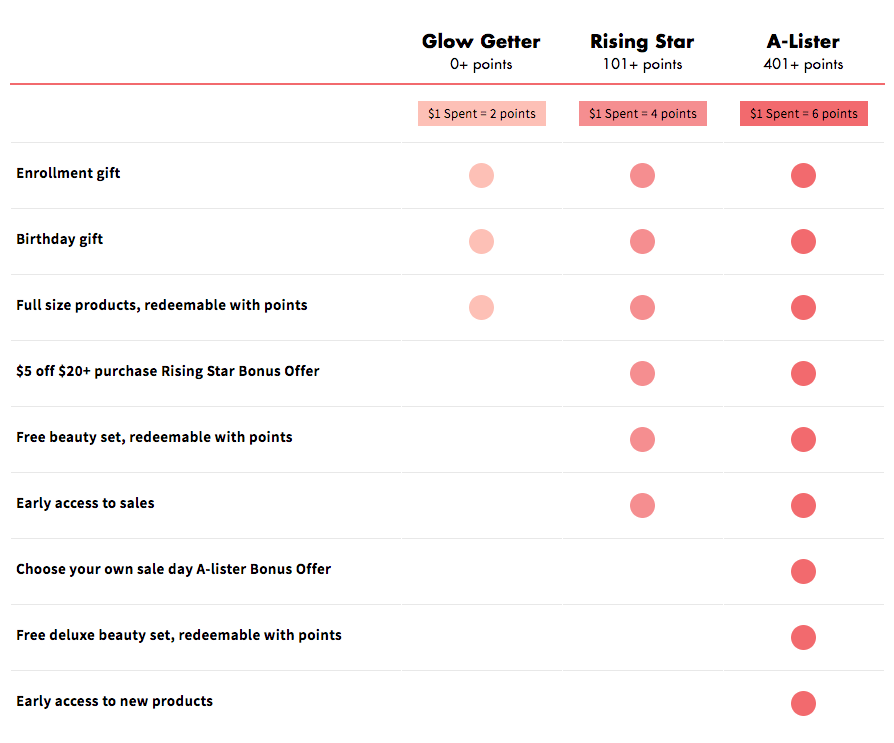
Most casino VIP programs operate on theoretical loss thresholds that remain closely guarded secrets, but industry analysis reveals consistent patterns across major operators. Entry-level tiers typically require $2,500-$5,000 in annual theoretical loss, while mid-tier status demands $15,000-$25,000. The coveted top tiers—often called Chairman’s Club or Diamond Elite—require theoretical losses exceeding $100,000 annually, with some ultra-premium levels reserved for players generating $500,000 or more in theoretical value.
These thresholds aren’t arbitrary numbers pulled from thin air. Casino revenue management teams conduct extensive modeling to determine the optimal balance between comp generosity and profitability. A 2026 industry report from Gaming Analytics International found that casinos typically return 25-40% of a player’s theoretical loss in the form of comps, cashback, and perks, with higher-tier players receiving proportionally better returns on their play.
The calculation becomes more nuanced when examining game selection impact. Baccarat players often receive more favorable tier advancement despite lower theoretical loss totals because the game’s social aspects and high-roller appeal create additional revenue opportunities through ancillary spending. Conversely, video poker players may find tier advancement more challenging due to the game’s low house edge and solitary nature, despite generating similar theoretical loss figures.
Game Selection’s Hidden Impact on Tier Advancement
Not all theoretical losses are created equal in the eyes of casino marketing departments. Table games carry different weightings in tier calculations, reflecting both profitability and strategic value to the casino’s overall business model. Roulette play, with its 5.26% house edge on American wheels, generates rapid theoretical loss accumulation but may receive standard tier credit. Meanwhile, skilled blackjack players using basic strategy might find their theoretical loss calculations adjusted downward to account for their lower actual loss rates.
Poker presents a unique challenge for VIP programs since the casino’s revenue comes from rake rather than player losses. Most properties calculate poker theoretical loss based on time played and stakes level, typically assuming $15-$25 per hour in rake generation for mid-stakes games. This creates opportunities for skilled poker players to achieve tier status while potentially showing session profits, though the time investment required often exceeds that needed in other games.
Craps offers an interesting case study in theoretical loss complexity. The basic pass line bet carries just a 1.4% house edge, but most craps players make multiple simultaneous wagers with varying house advantages. Casinos factor this betting pattern diversity into their theoretical loss calculations, often crediting craps players with higher effective theoretical loss rates than pure pass line mathematics would suggest.
The Psychology of Comp Calculation Algorithms
Modern casino management systems don’t just track what you bet—they analyze how you bet. Behavioral algorithms identify patterns that correlate with higher lifetime value, adjusting theoretical loss calculations accordingly. Players who increase bet sizes during winning streaks, for example, may receive theoretical loss multipliers that accelerate tier advancement, recognizing their propensity for extended high-stakes play.
“The most valuable players aren’t necessarily those with the highest single-session theoretical loss,” explains Dr. Sarah Chen, former Director of Player Development at Mohegan Sun. “We’re looking for consistency, growth patterns, and behavioral indicators that suggest long-term engagement. A player who gradually increases their stakes over multiple visits often receives more favorable tier treatment than someone with sporadic high-stakes sessions.”
Time-of-play algorithms also influence theoretical loss calculations. Players who frequent casinos during off-peak hours may receive bonus multipliers, as their play helps optimize floor utilization and staff efficiency. Weekend warriors, despite potentially higher absolute theoretical loss figures, might find tier advancement slower due to the premium value of peak-time table access.
International Variations in VIP Program Structure
Theoretical loss calculations vary significantly across global gambling markets, reflecting local regulations, cultural preferences, and competitive landscapes. European casinos often emphasize lower-edge games like European roulette and single-deck blackjack, requiring adjusted theoretical loss thresholds to maintain profitability targets. A 2026 study by the European Gaming Association found that average theoretical loss requirements for top-tier status were 15-20% higher in European markets compared to their American counterparts.
Asian gaming markets present unique challenges for theoretical loss modeling. Baccarat’s dominance in markets like Macau and Singapore creates VIP programs heavily weighted toward high-stakes table games, with some properties offering tier advancement based purely on baccarat play volume. The cultural significance of gambling luck and superstition also influences program design, with many Asian casinos offering tier bonuses tied to specific calendar dates or lucky number combinations.
Regulatory environments significantly impact theoretical loss calculations and tier structures. In jurisdictions with mandatory loss limits or cooling-off periods, casinos must adjust their VIP program mathematics to account for interrupted play patterns. Australian casinos, operating under strict responsible gambling frameworks, often extend tier qualification periods and offer alternative advancement paths based on frequency of visit rather than pure theoretical loss accumulation.
Advanced Strategies for Optimizing Tier Advancement
Savvy players can leverage understanding of theoretical loss calculations to optimize their tier advancement without necessarily increasing their risk exposure. Game timing strategies, such as concentrating play during promotional periods with tier multipliers, can effectively double or triple the theoretical loss credit for identical wagering patterns. Many casinos offer 1.5x or 2x tier credit days monthly, making these optimal times for significant play sessions.
Bankroll management techniques can also influence theoretical loss accumulation rates. Players who maintain consistent bet sizing throughout sessions generate more predictable theoretical loss figures, often qualifying for tier advancement bonuses designed to reward steady play patterns. Conversely, highly volatile betting patterns may trigger risk management algorithms that reduce effective theoretical loss credit.
Multi-property play strategies require careful consideration of theoretical loss tracking systems. While some casino groups aggregate play across all properties for tier calculations, others maintain separate tracking systems. Understanding these distinctions allows players to concentrate their play for maximum tier benefit rather than spreading theoretical loss across multiple unconnected programs.
Technology’s Evolution in Player Valuation
The integration of artificial intelligence and machine learning into casino management systems has revolutionized theoretical loss calculations beyond simple mathematical formulas. Modern systems analyze hundreds of behavioral variables, from betting pattern consistency to social interactions with dealers and other players. These AI-driven valuations often override pure theoretical loss calculations, recognizing that player lifetime value extends beyond immediate gambling profitability.
Facial recognition technology and advanced surveillance systems now contribute to theoretical loss modeling by tracking emotional responses and engagement levels during play. Players who demonstrate high engagement—measured through factors like session length consistency and social interaction—may receive theoretical loss bonuses that accelerate tier advancement. This technology-driven approach recognizes that engaged players are more likely to become long-term customers regardless of short-term mathematical projections.
Mobile integration has added new dimensions to theoretical loss tracking and tier management. Casino apps now monitor off-property engagement through digital touchpoints, social media interactions, and mobile game play. This expanded data collection allows for more nuanced player valuations that consider total relationship value rather than just table game theoretical loss, creating opportunities for tier advancement through diverse engagement channels.
Future Trends in VIP Program Evolution
The casino industry’s VIP program landscape continues evolving as operators seek competitive advantages in player acquisition and retention. Emerging trends suggest a shift toward more personalized tier structures that account for individual player preferences and behaviors rather than one-size-fits-all theoretical loss thresholds. Some innovative programs now offer multiple advancement paths, allowing players to achieve higher tiers through combinations of play volume, loyalty engagement, and ancillary spending.
Cryptocurrency integration is beginning to influence theoretical loss calculations and tier structures. Bitcoin and other digital currency play often receives premium tier credit due to the reduced transaction costs and regulatory complexities for casinos. As cryptocurrency adoption grows, expect to see specialized VIP tracks for digital currency players with adjusted theoretical loss calculations reflecting the unique economics of crypto gambling.
“The future of VIP programs lies in predictive analytics rather than reactive calculations,” notes Michael Torres, Senior Vice President of Player Development at Caesars Entertainment. “We’re moving toward systems that anticipate player needs and tier advancement opportunities before players even realize them themselves. This proactive approach to VIP management creates more satisfying experiences while optimizing revenue generation.”
Environmental and social responsibility considerations are also beginning to influence VIP program design. Some forward-thinking casinos now incorporate responsible gambling metrics into tier calculations, offering advancement bonuses for players who demonstrate healthy gambling habits and engage with responsible gaming tools. This evolution reflects the industry’s growing recognition that sustainable player relationships require balancing profitability with player welfare, creating VIP programs that reward not just spending, but responsible spending patterns.